Short answer: Reiki Level 1 is the foundation level where students learn self-healing, hands-on treatment, meditation and the basic structure of the system. Reiki Level 2 deepens the connection through the symbols, stronger energetic sensitivity, more intuitive work, and distant healing. Reiki Master Level is the final traditional level, where students develop advanced practice and, if appropriate, learn how to teach and attune others.
This matters because many students searching for Reiki courses in Melbourne or Victoria are trying to work out not only what each level includes, but also how quickly they should progress. Jeremy O'Carroll's view is practical: the levels build on each other. A good course does not blur them together, rush symbols into Level 1, or push students into Master Level before their energetic capacity is ready.
Jeremy describes Reiki Level 1 as the entry point into the system. It is where students first receive the attunement, learn to channel Reiki for themselves, and start practising hands-on healing on others.
At Om Reiki, Level 1 is not treated as a token beginner workshop. It is the stage where students lay the energetic and practical foundations for everything that follows: self-healing, meditation, Japanese Reiki principles, treatment structure, and enough supervised experience to feel comfortable using Reiki beyond the weekend itself.
That is also why Jeremy does not recommend pushing Level 2 symbols into Level 1 just to make the first course sound bigger. His view is that Level 1 already does important work. It can trigger real clearing, genuine life changes, and the beginning of a long-term healing practice when students are given enough time and structure to absorb it properly.
Reiki Level 2 is not simply "more Reiki". Jeremy teaches it as a deeper stage of connection, where students work with the traditional symbols, become more sensitive to energy, and bring much more intuition into treatments.
This is also the level where distant healing becomes part of the system. Alongside that, students often spend more time with meditations that develop the hara and strengthen their energetic steadiness. In other words, Level 2 is both an expansion of what Reiki can do and an expansion of the practitioner's capacity to feel and direct it.
That deeper capacity is why Level 2 works best when it grows out of a lived Level 1 foundation. Jeremy's teaching position is that the symbols become more meaningful when students have already spent time practising self-healing and hands-on Reiki rather than trying to rush to the next badge.

Jeremy describes Master Level as having two faces. One is advanced personal and practitioner development. The other is teacher training.
That distinction matters because many students wonder whether Master Level is only for people who want to teach. Jeremy's answer is no. Some students take Master Level because they want to go as deeply as possible into Reiki as a healing path. Others also want the capacity to run courses and pass attunements on to future students. Both motives are valid.
At the same time, Jeremy is realistic about course structure. He argues that Master Level should not be squeezed unrealistically into a very short format. His practical benchmark is three days for a proper Master Level course, even when some schools split the same material into separate 3a and 3b stages.
Jeremy's general course-length view is clear: Reiki Level 1 should run for two days, Reiki Level 2 should run for two days, and Master Level should run for three days.
That timing is not arbitrary. A good Reiki course needs enough room for attunements, explanation, meditation, healing practice, questions, and integration. If a course is crammed into an unrealistically short window, students often leave with less confidence and less embodied understanding. If it is padded too much without substance, that can also be a warning sign.
For students comparing courses in Victoria, duration is not the only quality signal, but it is a useful one. Jeremy's benchmark helps separate a substantial training from a course that is simply trying to look convenient or impressive on paper.
Jeremy does not frame this as rigid dogma, but he does take waiting periods seriously. His general guideline is one-plus months before Level 2 and around nine months to a year or more before Master Level.
The reason is not spiritual elitism. It is energetic capacity. Reiki levels build on each other, and students tend to benefit more when they have had time to practise, self-heal, integrate change, and become steadier in their experience of energy before adding the next layer.
That is why Om Reiki does not treat fast progression as an automatic virtue. The goal is not to collect certificates as quickly as possible. The goal is to make sure each level lands deeply enough that the next one has something real to build on.
If you are comparing Reiki courses in Melbourne, Daylesford or wider Victoria, the key question is not simply which course promises the most content. The better question is whether the teacher has structured each level in a way that honours how Reiki actually develops.
Does Level 1 give enough space for self-healing and foundations? Does Level 2 keep the symbols in their proper place? Does Master Level have enough time and depth to be more than a badge? Does the teacher have a long enough track record to know how students really change over time?
Jeremy's books Reiki Flow and The Perfect Reiki Course, together with Om Reiki's long teaching history in Victoria, all point in the same direction: the best Reiki training is practical, grounded, and paced for real growth. If you want to compare training more carefully, the guide to choosing a Reiki course in Australia and the course testimonials are useful next steps.
If you are new to Reiki, Level 1 is where you begin. If you already practise and want to deepen your sensitivity and range, Level 2 is the natural next step. If you are ready for the most advanced traditional stage, Master Level can become either the deepening of your personal practice, the doorway into teaching, or both.
If you would like to explore Om Reiki's training path in person, you can read about the Reiki Level 1 learning path, current Melbourne Reiki 1 courses, Melbourne Reiki Level 2 courses, Melbourne Reiki Master Level training, the Reiki attunements guide, the course testimonials, or browse the course calendar.
The difference between Reiki Level 1, Level 2 and Master Level is not merely that each level contains more material. Each stage has a different job. Level 1 opens the foundation. Level 2 deepens the connection and expands the practice. Master Level completes the traditional path and, for some students, opens the teaching role.
When those levels are taught clearly and in the right order, students usually feel the difference. The system becomes more coherent, the practice becomes stronger, and the next step makes sense because the previous one was genuinely integrated.
(Article by Jeremy O'Carroll)
Reiki 1 (Melbourne) · Reiki 1 (Daylesford) · Reiki 1 (Brisbane) · Reiki 2 (Melbourne) · Reiki 2 (Daylesford) · Reiki 2 (Brisbane) · Reiki Master (Melbourne)
Mastering Your Chakras · Mastering Your Mind · Redesigning Your Energy Body · Meditation Teacher Training



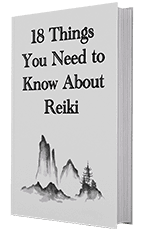
Sign up for our weekly Reiki newsletter and receive '18 Things You Need to Know About Reiki' for free.
If you're looking to take a Reiki course, you need to read this ebook first!
Learn the critical mistakes prospective students make. Ensure you find the course that best suits your needs.
© 2025 Om Reiki Centre. All Rights Reserved.