In Japanese Reiki, the hara is one of the body's key energy centres and is usually described as lying a few centimetres below the navel. At the Om Reiki Centre, Jeremy O'Carroll teaches that the hara matters because it helps people become calmer, more grounded, more energetically stable, and better able to carry healing energy. In other words, the hara is not just a concept to learn about. It is a practical centre of strength in Reiki practice.
This matters whether you are choosing a Reiki course, learning to heal others, or simply trying to become less affected by the energies of difficult people and places. Om Reiki's course and article material consistently presents the hara as a foundation for grounding, protection, and stronger healing rather than as an airy spiritual abstraction.

Om Reiki's material describes the hara as an energy centre below the navel and one of the most important centres in traditional Japanese Reiki. Some pages describe it as part of the classical Japanese system, while the guided-meditation material also notes that many martial arts traditions treat it as a key centre of the body.
The important point is not getting lost in technical definitions. In practice, the hara is where Reiki students learn to find steadiness. It is a place to breathe into, connect with, and strengthen so that the whole system becomes calmer and more robust.
The hara is important because it helps create an energetic foundation. Om Reiki repeatedly links it to grounding, emotional balance, protection, and healing strength. When that foundation is weak, people can feel more easily thrown off by stress, demanding environments, or other people's energy. When it becomes stronger, there is usually more steadiness and less energetic wobble.
This is one of Om Reiki's clearest differentiators. Rather than treating protection as a fragile shield against the world, Jeremy teaches students to become more solid within themselves. In that approach, the hara is not a side topic. It is central.

Om Reiki's course material makes this connection very directly. Reiki 1 students practise meditations such as breathing into the hara for increasing the flow of chi and strengthening healing. Other Om Reiki material explains that this kind of practice helps the body, including the meridians, carry more energy. That can make healing sessions feel stronger, smoother, and less strained.
Another useful Om Reiki angle is that the hara is part of a broader energetic foundation. The healing-energy article links the hara with the base chakra and Earth star chakra as key supports for stability. That does not mean the hara is just another chakra page in disguise. It means the hara helps anchor the whole system so that Reiki has a stronger base to move through.
There is also a practical side to this. When people try to channel more healing energy without a strong foundation, they can feel strained or scattered. Strengthening the hara helps correct that imbalance.
Yes, and Om Reiki is unusually clear about this. Jeremy's course and article material says students learn to protect themselves by strengthening the hara rather than relying on flimsy protective tricks. The idea is that energetic resilience comes from becoming more rooted and solid, not from becoming tense or defended.
The Ballarat and protection-page language expresses this especially well: if your energetic foundation is strong, you become more like a mountain in a storm. You can remain open, but you are not easily knocked about. This is one of the strongest and most believable ways Om Reiki can talk about protection.
The most direct starting point is simple: breathe into it. Om Reiki's guided-meditation material treats breathing into the hara as a bedrock Reiki practice. Sit comfortably, let the breath sink into the area below the navel, and gradually feel that centre become fuller, calmer, and more receptive.
Beginners do not need to complicate this. The goal is not to perform an exotic ritual. It is to build familiarity with a grounded centre in the body. From there, Reiki practice, hands-on healing, and other meditations can gradually deepen that connection.
Om Reiki's broader material also suggests that hara practice becomes more valuable with repetition. At first it may feel awkward or subtle. Over time it can become one of the most useful anchors in both healing work and ordinary life.
A strong Reiki course should not leave students with beautiful ideas but no embodied practice. At Om Reiki, the hara appears in several practical contexts: meditations, grounding work, protection principles, and stronger healing flow. That makes it part of the living training, not just a side-note in a philosophy lesson.
If that style of learning appeals to you, these pages will help show how the system fits together: what you learn in Reiki Level 1, what changes at Level 2, how attunements work, how stronger healing flow develops, and how Om Reiki approaches energetic protection.
One of the best lines in Om Reiki's existing material is that the hara helps bridge the gap between the spiritual and the non-spiritual. That matters because people do not only need grounding on a massage table or in a meditation room. They need it at work, in relationships, under pressure, and in the middle of ordinary life.
That is why the hara is such a strong authority topic for Om Reiki. It gives Jeremy a credible way to talk about practical spirituality: not floating away from life, but becoming more stable, open, and effective within it.
The hara is important in Reiki because it gives people a grounded centre from which healing, calmness, and energetic resilience can grow. In Om Reiki's teaching, it is not a decorative idea or an obscure piece of Japanese terminology. It is a practical foundation.
That foundation helps explain why the hara keeps appearing across Jeremy O'Carroll's course and article material. Strengthen it, and healing often becomes steadier, life often feels less chaotic, and protection becomes more believable because it comes from solidity rather than fear.
If you want to explore this further, see the guided meditations, Reiki FAQ, course testimonials, or the current Melbourne Reiki course dates.



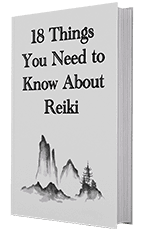
Sign up for our weekly Reiki newsletter and receive '18 things you need to know about Reiki' for free.
If you're looking to take a Reiki course, you need to read this ebook first!
Learn the critical mistakes prospective students make. Ensure you find the course that best suits your needs.
© 2022 Om Reiki Centre. All Rights Reserved.